
"seasonal output"
2000 article(s) found

Unique Grain shape complete Yemeni Coffee Variety characteristics introduction to Flavor Coffee beans in Manor
Yemeni coffee originated from Arabian coffee trees hundreds of years ago, all produced in areas above 3000 feet above sea level. For hundreds of years, the unique planting and production methods of Yemeni coffee have remained almost unchanged. The seedlings of Yemeni coffee trees are first cultivated in nurseries and then transplanted to high elevations. Pesticides and fertilizers are not used in the breeding process. Mature coffee beans are naturally dried on coffee trees and shelled by stone grinding.

The price of coffee beans in Yunnan has plummeted. Nestle's acquisition has exploded.
Pay attention to the unmarketable coffee beans in Yunnan Pu'er: the price of coffee beans has plummeted in a village. Friends who are used to drinking coffee know that several major brands of coffee are concentrated overseas, according to data from the United States Department of Agriculture. Brazil ranks first in global production with 54500 bags, Vietnam ranks second in the world with a total output of 18725 bags, and Colombia ranks second in the world with a total output of 18725 bags.

Coffee from Cuzco, Peru, what's the taste of coffee in Urubamba Cooperative?
Cusco Coffee Gold Variety: iron pickup, Kaddura, bourbon Origin: Cusco, Peru season: June-October treatment: washing altitude: 1500-1800m SCA score: 82.75 defect: Grade1,15 moisture: 11-12% weight: 25kg annual output. 222000kg/ annual output flavor: pure sweetness, mixed with dark chocolate cattle

Brazilian coffee bean producing areas introduce Minas boutique coffee bean flavor characteristics information Brazilian coffee culture
Professional coffee knowledge exchange for more information about coffee beans, please follow the coffee workshop (Wechat official account cafe_style). They are classified according to the state of origin and the port of transport. Brazil has 21 states and 17 states produce coffee, but seven of them produce the most, accounting for 98% of the country's total output. The terrain of Brazil is mainly divided into two parts, one of which is above 500 meters above sea level.

Yemeni Coffee with complete Grain shape and unique Flavor introduction to Fine Coffee beans in Manor
Yemeni coffee originated from Arabian coffee trees hundreds of years ago, all produced in areas above 3000 feet above sea level. For hundreds of years, the unique planting and production methods of Yemeni coffee have remained almost unchanged. The seedlings of Yemeni coffee trees are first cultivated in nurseries and then transplanted to high elevations. Pesticides and fertilizers are not used in the breeding process. Mature coffee beans are naturally dried on coffee trees and shelled by stone grinding.

Yemeni Coffee varieties with complete Grain shape and unique Flavor introduction to Fine Coffee beans in Manor
Yemeni coffee originated from Arabian coffee trees hundreds of years ago, all produced in areas above 3000 feet above sea level. For hundreds of years, the unique planting and production methods of Yemeni coffee have remained almost unchanged. The seedlings of Yemeni coffee trees are first cultivated in nurseries and then transplanted to high elevations. Pesticides and fertilizers are not used in the breeding process. Mature coffee beans are naturally dried on coffee trees and shelled by stone grinding.

Introduction to the Flavor of Fine Coffee beans with unique Grain shape and complete Yemeni Coffee varieties
Yemeni coffee originated from Arabian coffee trees hundreds of years ago, all produced in areas above 3000 feet above sea level. For hundreds of years, the unique planting and production methods of Yemeni coffee have remained almost unchanged. The seedlings of Yemeni coffee trees are first cultivated in nurseries and then transplanted to high elevations. Pesticides and fertilizers are not used in the breeding process. Mature coffee beans are naturally dried on coffee trees and shelled by stone grinding.

Ten places in the world filled with coffee-different places have different characteristics
Coffee location: Dublin, Ireland, the first sip of Irish coffee, with longing for a long time suppressed by the taste of Irish coffee is a kind of coffee like both wine and coffee, the raw material is Irish Whiskey plus coffee beans, special coffee cup, special cooking method, serious and persistent, ancient and simple. There is a beautiful legend of Irish coffee. It is said that there is a good at Dublin airport.
Ten places in the world that are filled with the smell of coffee
Coffee location: Dublin, Ireland, the first sip of Irish coffee, with longing for a long time suppressed by the taste of Irish coffee is a kind of coffee like both wine and coffee, the raw material is Irish Whiskey plus coffee beans, special coffee cup, special cooking method, serious and persistent, ancient and simple. There is a beautiful legend of Irish coffee. It is said that there is a good at Dublin airport.

How about African coffee?| Is coffee cheap in Africa and where can I buy it?
Professional coffee knowledge exchange More coffee bean information Please pay attention to coffee workshop (Weixin Official Accounts cafe_style) African coffee origin distribution The world's first coffee tree was found in the Horn of Africa. Local indigenous tribes often grind the fruit of coffee and knead it with animal fat to make many spherical balls. These indigenous tribes took these coffee pills

Introduction to the unique planting environment of Yinshan manor coffee varieties with sour, bitter, sweet and alcohol
The United States is a coffee-loving country, but the reporter did not find coffee beauty in several major supermarket chains and Starbucks coffee shops in Houston. According to a waiter at a Starbucks coffee shop in downtown Houston, their coffee is mainly made from beans from Africa, Colombia or Indonesia. Blue Mountain Coffee is less on the market, 90% blue

Introduction to the taste varieties of Yunnan Tieka Coffee produced by Grinding scale
Yunnan organic iron pickup coffee is the oldest variety in Yunnan. In 2011-12, the annual output of this bean in Yunnan is only 30, 000 tons, which is very rare. More than 15 mesh, altitude: more than 1200 meters, fruit acidity: strong, characteristics: fresh coffee in this season raw beans, mellow, delicate and smooth taste, good sour taste, extremely

General knowledge of Coffee in four cultivation Systems of Ethiopian Coffee
Ethiopia is located between three and fourteen degrees north latitude, and the planting area of coffee trees is nearly 600000 hectares. There are two rainy seasons a year in the south and east of the country, while there is only one rainy season in the west. The distribution of the rainy season is different, so coffee is harvested in Ethiopia all the year round. Coffee grows between 550 and 2750 meters above sea level. The soils in the west and south belong to volcanic rocks and are rich in minerals.
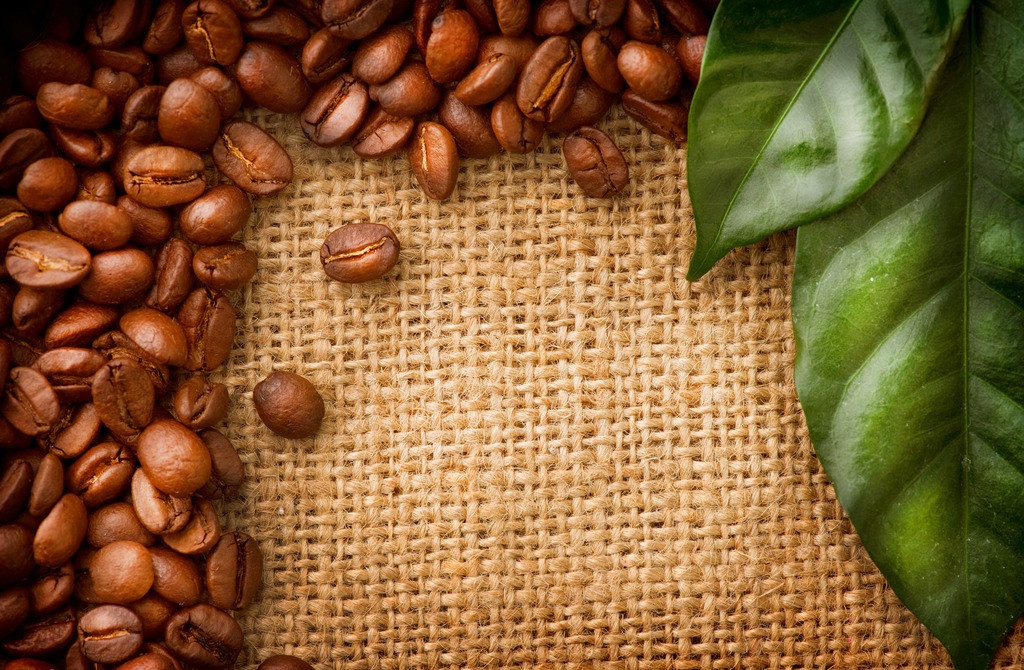
Yemeni coffee varieties with unique flavor and complete grain shape introduce the flavor of fine coffee beans in Manor.
Yemeni coffee originated from Arabian coffee trees hundreds of years ago, all produced in areas above 3000 feet above sea level. For hundreds of years, the unique planting and production methods of Yemeni coffee have remained almost unchanged. The seedlings of Yemeni coffee trees are first cultivated in nurseries and then transplanted to high elevations. Pesticides and fertilizers are not used in the breeding process. Mature coffee beans are naturally dried on coffee trees and shelled by stone grinding.

Introduction of Kenya Ruby Cooperative Coffee beans in 2018 New season. What is the flavor of pure SL varieties?
Professional coffee knowledge exchange more coffee bean information please follow the coffee workshop (Wechat official account cafe_style) 2018 new season Kenya coffee-ruby cooperative exquisite washing black plum flavor pure SL coffee producing area. Nyeri Country, Kenya processing plant. Githiru Cooperative altitude. 1650 M beans. SL28 & SL34 /

How does Kenyan coffee brand da drink Kenyan coffee brand Giando Manor?
Professional coffee knowledge exchange more coffee bean information Please follow Coffee Workshop (Wechat official account cafe_style) Kenya, located in East Africa, is one of the important producers of fine coffee in the world, but the overall output is not much, accounting for less than 0.5% of the global production. There are two production seasons in Kenya, the main time is from October to December each year, and the other has a lower yield.

Introduction to the Flavor of Erida Manor Coffee Manor in Panama
Main varieties: katai 85%, iron pickup and bourbon 15%, rose (a small amount) flowering: March, April, May harvest: January to April soil: deep soft sandy soil microclimate characteristics annual rainfall: 2400 mm, rainy season (May to November) the main sunshine period: from the end of February to the beginning of May, there are 4 or 5 times a year. During the dry season with abnormal climate, there are often meetings in the first half of the dry season

Four major cultivation systems of Ethiopian coffee how is Ethiopian coffee cultivated? Ethiopia
Ethiopia is located between three and fourteen degrees north latitude, and the planting area of coffee trees is nearly 600000 hectares. There are two rainy seasons a year in the south and east of the country, while there is only one rainy season in the west. The distribution of the rainy season is different, so coffee is harvested in Ethiopia all the year round. Coffee grows between 550 and 2750 meters above sea level. The soils in the west and south belong to volcanic rocks and are rich in minerals.
The story of the four major cultivation systems of Ethiopian coffee, Xueke Omar, imported coffee
Ethiopia is located between 3 and 14 degrees north latitude, and the coffee tree cultivation area is close to 600,000 hectares. There are two rainy seasons in the south and east of the country and only one rainy season in the west. The distribution of rainy seasons is different, so that Ethiopia has coffee harvest all year round. Coffee grows between 550 and 2,750 meters above sea level. The soil in the west and south belongs to volcanic rocks and is rich in minerals.